The 7 Best Compact Scanners of 2026

Our Best Picks

Based on 2.7K+ reviews

Why We Chose This Product:

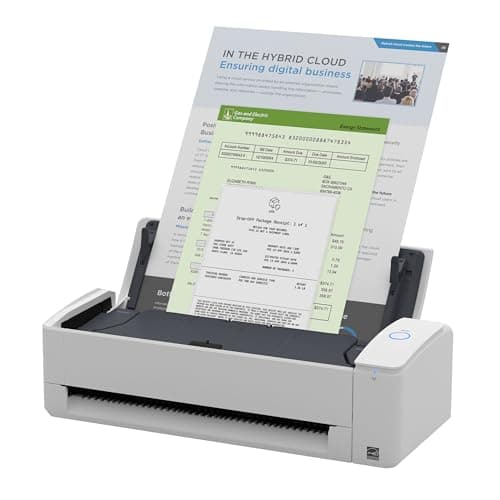
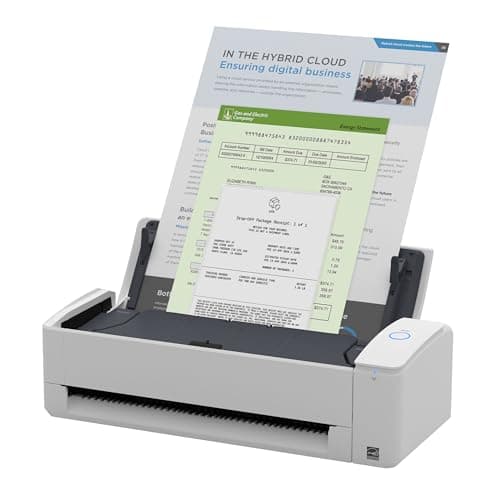
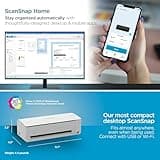
This model dominates the premium tier by offering the fastest processing speeds paired with a genuinely innovative vertical paper path. It solves the common complaint of scanned papers spilling across a keyboard, earning the top spot for its unmatched blend of high capacity and minimal footprint.

Who Is It For:

Shoppers trying to digitize vast amounts of household paperwork without dedicating an entire desk to a bulky machine. It is highly practical for small home offices where wireless mobile syncing is preferred.

Incredibly space-efficient vertical U-turn paper path

Wireless, PC-free scanning to mobile devices or cloud folders

Lacks a built-in battery for true untethered mobility

Tech specs:

Form factor
Desktop Sheetfed
Scan speed
30 ppm / 60 ipm
Connectivity
Wi-Fi & USB
Paper feed
20-sheet ADF

How do we rank?

What guides our picks – 3 key things behind every product we choose:

Based on 1.7K+ reviews

Why We Chose This Product:

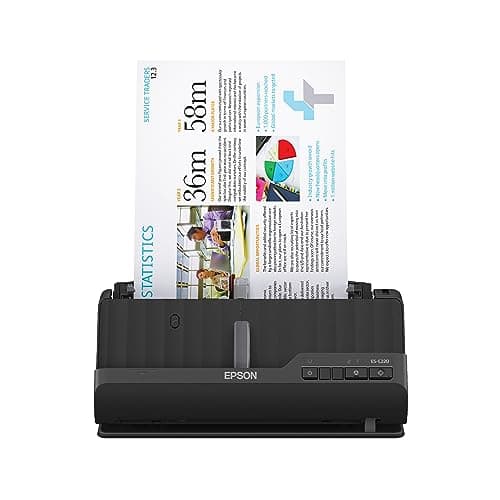
The ES-C220 provides an exceptional alternative to the ScanSnap for those who do not require wireless connectivity but still want elite space-saving mechanics. Its robust 3,500-page daily duty cycle makes it one of the most durable desktop options on this list.

Who Is It For:

Workers operating in cubicles, dorms, or cramped retail counters where horizontal surface area is limited. It fits easily next to a monitor while still handling large document stacks.

Saves up to 60 percent of desk space with vertical layout

Heavy-duty 3,500-page daily duty cycle for intense use

Does not include wireless networking capabilities

Tech specs:

Form factor
Desktop Sheetfed
Scan speed
30 ppm / 60 ipm
Connectivity
USB
Paper feed
20-page ADF
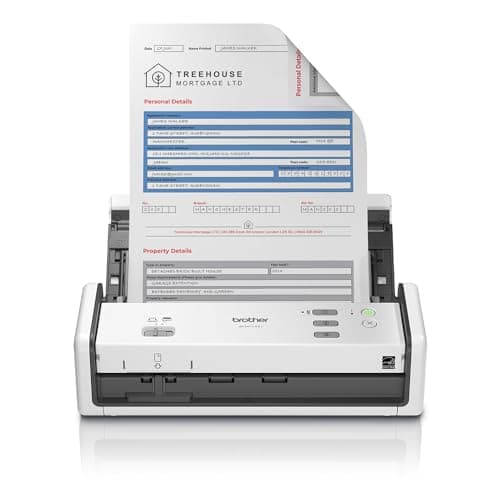
Based on 1.2K+ reviews

Why We Chose This Product:

Brother successfully bridged the gap between heavy desktop models and ultra-light stick scanners with this unit. It earns a high rank because it retains a robust 20-page auto-feeder while completely eliminating the need for an AC power brick.

Who Is It For:

Professionals who frequently travel to client sites to process multi-page contracts and verify identities. The direct USB-C power ensures they can operate out of a car or coffee shop without hunting for an outlet.

Draws full power from a modern laptop USB-C connection

Dedicated front slot makes digitizing plastic IDs instant

Requires a high-output power bank for completely mobile use

Tech specs:

Form factor
Desktop Sheetfed
Scan speed
30 ppm / 60 ipm
Connectivity
USB-C
Paper feed
20-page ADF
Based on 2.1K+ reviews

Why We Chose This Product:

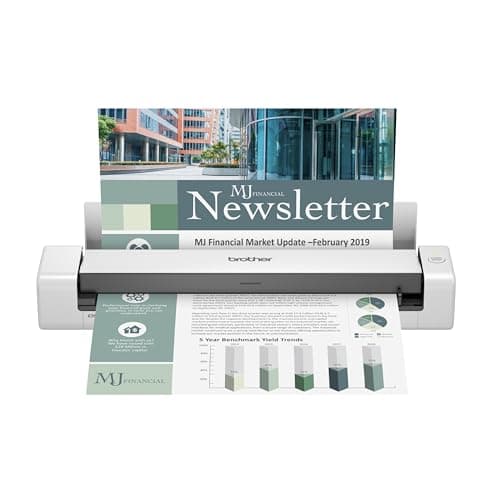
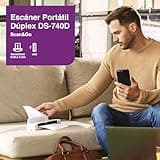
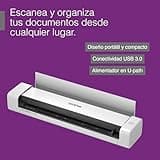
Among the true stick-style mobile scanners, the DS-740D stands out for incorporating a space-saving U-turn paper path. It balances portability with practical double-sided performance, dominating the mid-range travel segment.

Who Is It For:

Frequent flyers and traveling salespeople who need to process double-sided expense reports or contracts on narrow airplane trays. The form factor minimizes the physical space required to feed and retrieve documents.

U-turn path returns paper over the top instead of out the back

Extremely compact frame measures under one foot long

Lacks an automatic document feeder for unattended batching

Tech specs:

Form factor
Mobile Stick
Scan speed
16 ppm
Connectivity
Micro USB 3.0
Paper feed
Single Sheet
Based on 4.5K+ reviews

Why We Chose This Product:

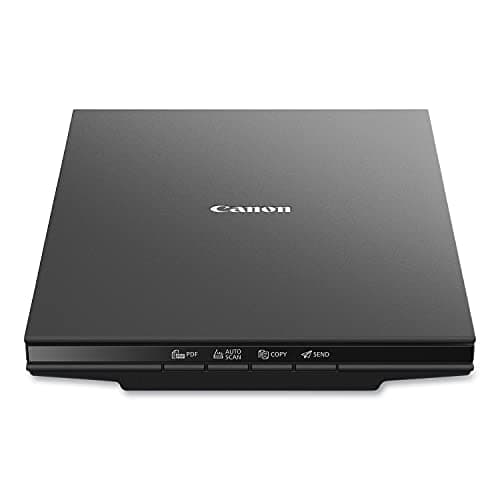
Sheetfed models dominate modern workflows, but the LiDE 300 remains the definitive affordable flatbed. It is chosen for its remarkably slim profile, proving that high-resolution photo archiving does not require a massive, power-hungry machine.

Who Is It For:

Archivists, hobbyists, and family historians digitizing shoeboxes of polaroids or heritage books. It provides a non-destructive way to capture materials that would tear inside an automatic feeder.

Safely digitizes bound books, old photos, and delicate paper

Draws all necessary power through a single USB cable

Cannot efficiently process stacks of loose paperwork

Tech specs:

Form factor
Flatbed
Scan speed
Resolution-dependent
Connectivity
USB 2.0
Paper feed
Flatbed Glass
Based on 2.7K+ reviews

Why We Chose This Product:

This is the purest expression of scanning mobility. While it trades away duplexing and batch feeding, it earns its place on the list by offering extreme portability at a highly accessible price point.

Who Is It For:

Minimalists and students who only occasionally need to scan a signed form or a receipt. The weight and size make it an unobtrusive permanent addition to a daily carry bag.

Weighs less than a bottle of water for effortless transport

Ultra-slim footprint barely registers in standard briefcases

Only captures one side of a document per pass

Tech specs:

Form factor
Mobile Stick
Scan speed
16 ppm
Connectivity
Micro USB 3.0
Paper feed
Single Sheet
Based on 3.2K+ reviews

Why We Chose This Product:

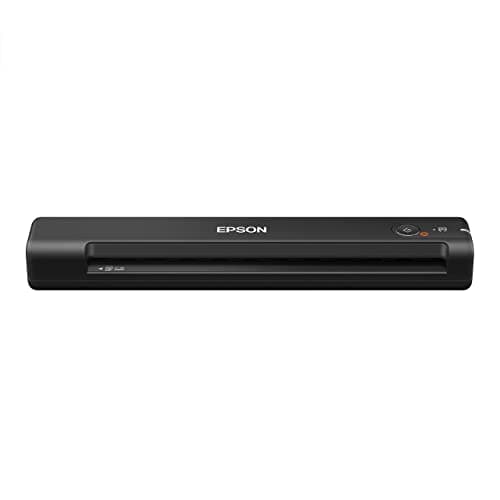
The ES-50 sits neck-and-neck with the Brother DS-640 but edges out a specific win for its ability to handle extremely long documents. It remains a gold standard for reliable, single-sheet software integration.

Who Is It For:

Construction managers, site inspectors, or remote adjusters who need a rugged, lightweight tool to digitize long technical blueprints or expense receipts straight to a laptop on site.

Incredibly lightweight build under 10 ounces total

Capable of cleanly reading documents up to 72 inches long

Lacks duplexing functionality for two-sided forms

Tech specs:

Form factor
Mobile Stick
Scan speed
5.5 sec/page
Connectivity
USB
Paper feed
Single Sheet

Essential Tips For Choosing The Right Compact Scanners

What to Look For in a Compact Scanner

When shopping for a compact digitizer, primary considerations should center on where you plan to use it and how much volume you intend to process. Desktop-style compacts feature automatic document feeders for batches, while wand or stick models prioritize slip-into-a-bag mobility. Pay close attention to power requirements, as some units run entirely on USB bus power while others demand an AC outlet for peak speeds.

Key Specifications Explained

PPM (Pages Per Minute) and IPM (Images Per Minute) dictate your workflow speed; a machine with 30 ppm / 60 ipm captures both sides of a page in a single pass. The ADF (Automatic Document Feeder) capacity tells you how many sheets you can stack before walking away. Lastly, DPI (Dots Per Inch) matters primarily for photos, where 2400 DPI or higher is recommended to capture fine details.

Best Compact Scanners

Sheetfed vs. Flatbed Scanners

Sheetfed models are engineered for standard printer paper, pulling pages quickly over a stationary sensor to digitize contracts and tax forms. Flatbed models use a moving sensor beneath a glass pane, making them the only safe choice for fragile historical documents, bound books, and polaroid photos. Some buyers find they need both depending on their archival goals.

Common Pitfalls to Avoid

A major pitfall is buying a single-sheet mobile scanner when you regularly process 20-page mortgage documents, leading to tedious manual feeding. Buyers also mistakenly assume all portable scanners feature built-in batteries or Wi-Fi, which is rarely true; most rely on direct USB connections to a laptop. Always verify if the software is compatible with your specific operating system before purchasing.

Budget Ranges and Expectations

For under $150, expect reliable single-sheet stick scanners or entry-level flatbeds ideal for low-volume personal use. The $150 to $200 tier introduces duplex scanning capabilities and faster USB 3.0 processing for road warriors. Premium options between $250 and $300 provide high-capacity automatic feeders, advanced cloud-syncing software, and high-speed multi-page processing suitable for remote offices.

FAQs

More products you might love