

The 7 Best VR Headsets of 2026

Our Best Picks

Based on 15.4K+ reviews

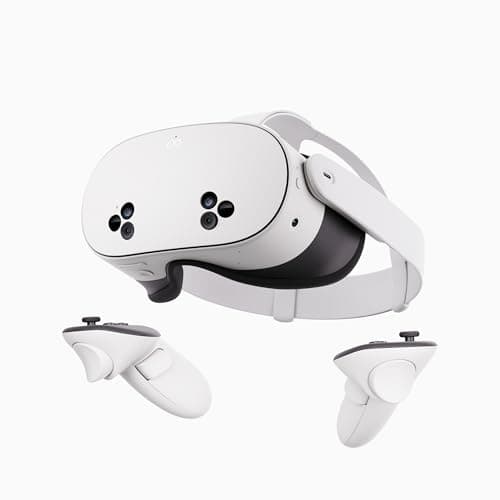
Why We Chose This Product:

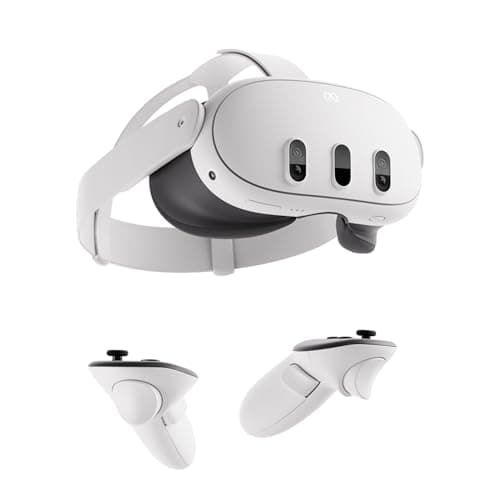
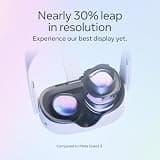
The Meta Quest 3 dominates the VR space by offering the most compelling balance of high-end performance, mixed reality capabilities, and a vast ecosystem. Its upgraded graphical processing power and crisp lenses provide a massive leap over previous generations. This makes it the undisputed leader for anyone wanting a complete, untethered virtual reality experience.

Who Is It For:

Ideal for tech enthusiasts, avid gamers, and early adopters wanting top-tier mixed reality. It perfectly suits users looking for a wire-free, high-fidelity experience without needing a gaming PC.

Stunning visual clarity and high resolution displays

Seamless mixed reality with full color passthrough

Included strap can be uncomfortable during long sessions

Tech specs:

Platform
Standalone VR
Audio Type
Built-in Speakers
Controller
Dual Motion
Lens Type
Pancake Lenses

How do we rank?

What guides our picks – 3 key things behind every product we choose:

Based on 5.2K+ reviews

Why We Chose This Product:

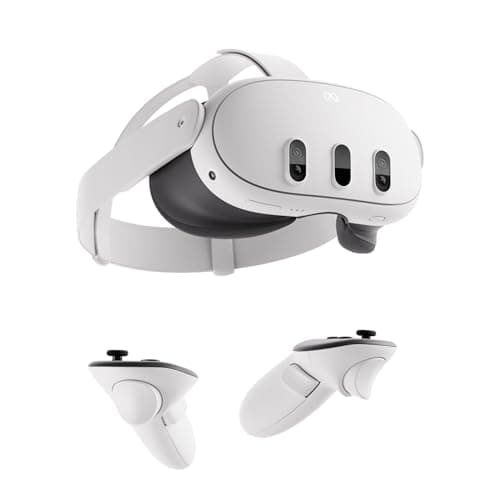
Serving as a highly accessible gateway to the Meta ecosystem, this headset delivers impressive graphical processing and memory enhancements without the premium price tag. It retains the untethered freedom and expansive software library that makes modern VR so compelling. It secures the runner-up spot by maximizing value for everyday consumers.

Who Is It For:

Perfect for budget-conscious buyers, first-time VR users, and casual gamers wanting reliable performance. It easily handles daily entertainment needs and interactive fitness applications.

Excellent performance-to-value ratio for entry-level buyers

Full access to the massive Meta Quest software library

Lower storage capacity limits how many games you can install

Tech specs:

Platform
Standalone VR
Audio Type
Built-in Speakers
Controller
Dual Motion
Lens Type
Fresnel Lenses
Based on 3.2K+ reviews

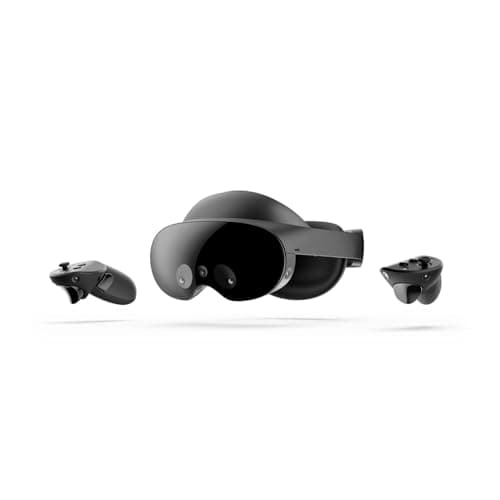
Why We Chose This Product:

Designed explicitly for enterprise and enthusiast use, the Quest Pro pushes the boundaries of mixed reality with local dimming and sophisticated face tracking. Its self-tracking controllers and premium build quality offer a distinct advantage for complex workflows. It rightfully earns its place as the top premium choice for those who need cutting-edge functionality.

Who Is It For:

Tailored for developers, creative professionals, and hardcore enthusiasts working in collaborative digital spaces. It fits specialized environments where realistic avatars and advanced AR are necessary.

Incredible eye and face tracking for realistic avatars

Premium, well-balanced ergonomic design reduces front heaviness

Extremely high entry price limits appeal for casual users

Tech specs:

Platform
Standalone VR
Audio Type
Built-in Speakers
Controller
Pro Self-Tracking
Lens Type
Pancake Lenses
Based on 8.5K+ reviews

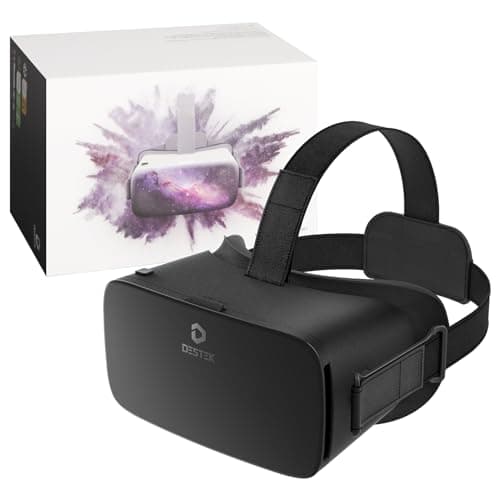
Why We Chose This Product:

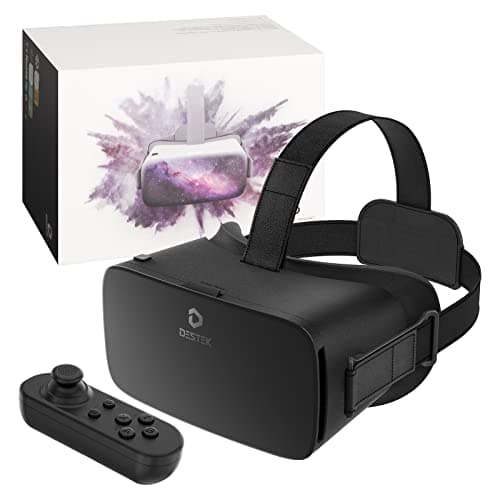
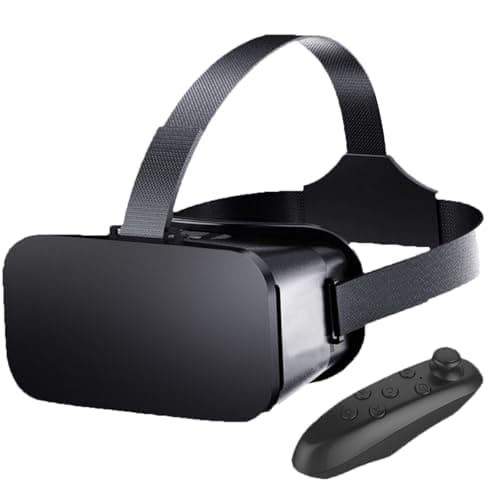
This smartphone-powered headset provides an accessible entry point into virtual reality without requiring expensive standalone hardware. The combination of a wide field of view, anti-blue light lenses, and a bundled controller creates a surprisingly immersive experience for mobile users. It stands out in the budget category for its thoughtful ergonomics and broad phone compatibility.

Who Is It For:

Great for college students, casual mobile gamers, and those looking to experiment with VR on a budget. It works perfectly for watching 360-degree videos or playing basic mobile VR applications.

Comfortable fit easily accommodates varying head sizes

Wide 110-degree field of view increases overall immersion

Requires a compatible smartphone to function properly

Tech specs:

Platform
Smartphone VR
Audio Type
Phone Dependent
Controller
Single Remote
Lens Type
Anti-Blue Light
Based on 6.4K+ reviews

Why We Chose This Product:

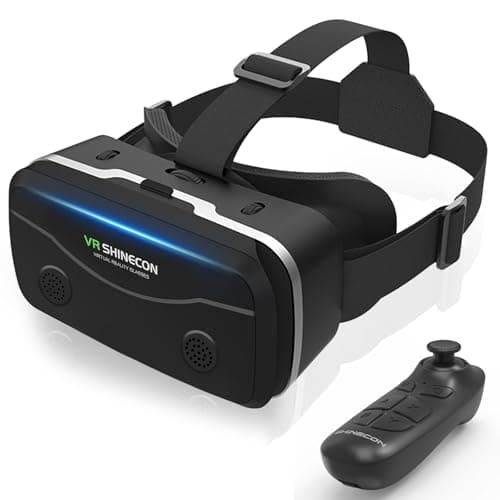
Similar to its counterpart, this specific package focuses heavily on delivering a safe and comfortable viewing experience. The emphasis on eye protection via anti-blue light lenses and a lightweight chassis makes it highly practical. It earns its spot as a reliable option in the smartphone VR market.

Who Is It For:

Ideal for young students discovering 3D content and educational VR apps for the first time. It is a great option that utilizes smartphones families already own without needing extra screens.

Anti-blue light lenses actively protect younger eyes

Lightweight physical design effectively prevents neck strain

Controller mapping varies drastically by smartphone operating system

Tech specs:

Platform
Smartphone VR
Audio Type
Phone Dependent
Controller
Single Remote
Lens Type
Anti-Blue Light
Based on 2.1K+ reviews

Why We Chose This Product:

This model separates itself from generic smartphone headsets through its superior lens quality and heat management system. The HD aspheric lenses drastically reduce the distortion commonly found in budget VR, while the ventilated design keeps devices cool during extended sessions. It is a smart pick for users who prioritize visual clarity in mobile VR.

Who Is It For:

Suits mobile gamers and media consumers who spend extended periods watching VR content on their phones. The cooling design makes it perfect for heavy smartphone users.

Excellent heat dissipation prevents phones from overheating

HD aspheric lenses significantly reduce image distortion

Overall build quality feels somewhat plasticky to the touch

Tech specs:

Platform
Smartphone VR
Audio Type
Phone Dependent
Controller
Single Remote
Lens Type
HD Aspheric
Based on 1.8K+ reviews

Why We Chose This Product:

A highly versatile option, this headset focuses on broad compatibility and essential ergonomic adjustments. The ability to fine-tune both pupil distance and focal length ensures a clear image for a wide range of users, mitigating eye strain. It is a practical, no-nonsense choice for anyone wanting basic VR capabilities across multiple device types.

Who Is It For:

Best suited for casual users, families with different phone models, and those who need precise visual adjustments. It accommodates a wide variety of facial structures and eyesight needs.

Highly adjustable focal length and precise pupil distance

Easily accommodates a remarkably wide variety of smartphone sizes

Generic controller lacks advanced or complex input options

Tech specs:

Platform
Smartphone VR
Audio Type
Phone Dependent
Controller
Single Remote
Lens Type
Anti-Blue Light

Essential Tips For Choosing The Right vr headset

Standalone vs. Smartphone VR

The most critical decision is whether you want a standalone device like the Meta Quest or a smartphone-powered shell. Standalone headsets offer built-in processors and full motion tracking for a true gaming console experience. Smartphone headsets are much cheaper but only act as viewers for your mobile device's screen.

Key Specifications Explained

Field of View (FOV) determines how much of your peripheral vision is covered, with higher numbers providing better immersion. Resolution dictates how sharp the image is and helps eliminate the 'screen door effect' where individual pixels are visible. Tracking capabilities (like inside-out or eye-tracking) determine how accurately your physical movements translate into the virtual space.

Best vr headset

Budget Ranges and Expectations

Smartphone VR viewers typically cost between $20 and $60, serving as basic entry points for media viewing. Premium standalone systems range from $300 to over $1,000 depending on storage, processing power, and mixed reality features. Set a budget based on whether you want passive entertainment or interactive, high-end gaming.

Common Pitfalls to Avoid

A common mistake is buying a smartphone headset expecting it to play high-end VR games; these are primarily for 360-degree videos. Buyers also frequently underestimate the importance of headset weight and strap comfort, which drastically affect how long you can comfortably play. Finally, ignoring your phone's size compatibility can result in a headset that doesn't securely hold your device.

FAQs

More products you might love