The 7 Best Cameras for Wildlife Photography of 2026

Our Best Picks

Based on 1.2K+ reviews

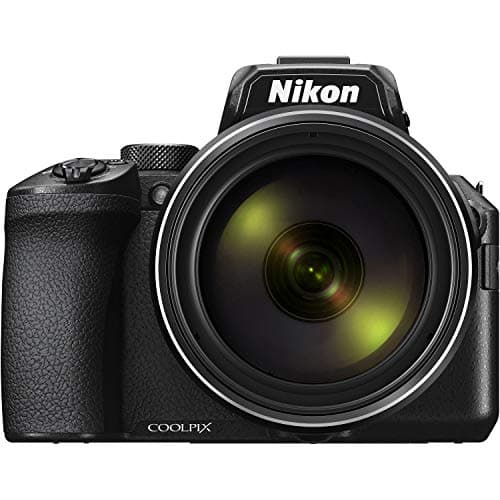
Why We Chose This Product:

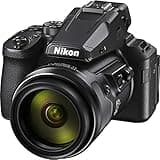
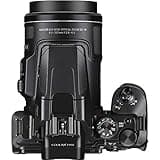
This camera balances an industry-leading 83x optical zoom with a user-friendly bridge design, eliminating the need to invest in thousands of dollars of telephoto glass. It delivers beautiful colors and 4K capabilities that easily satisfy demanding hobbyists.

Who Is It For:

Hobbyist wildlife photographers who want massive zoom capabilities without carrying interchangeable lenses. Perfect for birding enthusiasts shooting from a distance during the day.

Unmatched 83x optical zoom range for extreme reach

4K video recording with clean output

Smaller 1/2.3-inch sensor limits low-light performance

Tech specs:

Sensor Type
1/2.3-inch
Megapixels
16.0MP
Optical Zoom
83x Built-in
Video
4K Ultra HD

How do we rank?

What guides our picks – 3 key things behind every product we choose:

Based on 850+ reviews

Why We Chose This Product:

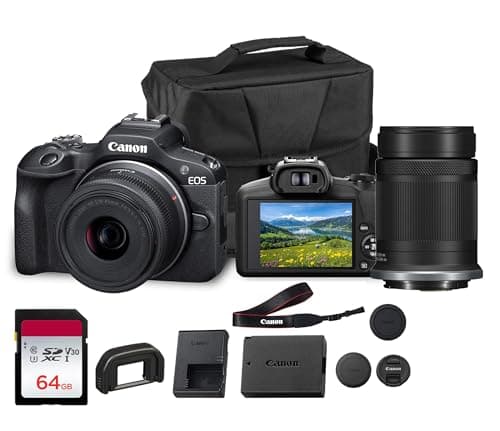
It successfully brings the advanced autofocus algorithms of Canon's professional cameras into an approachable, affordable package. The inclusion of the 55-210mm telephoto lens ensures buyers can step outside and immediately start capturing nature.

Who Is It For:

Aspiring wildlife photographers wanting a modern mirrorless system with advanced tracking. Great for those seeking a highly portable two-lens setup for immediate field use.

Incredible animal eye autofocus tracking technology

Compact and lightweight for easy carrying in the field

Included telephoto lens is limited to 336mm equivalent

Tech specs:

Sensor Type
APS-C CMOS
Megapixels
24.2MP
Optical Zoom
Lens Dependent
Video
4K Ultra HD
Based on 300+ reviews

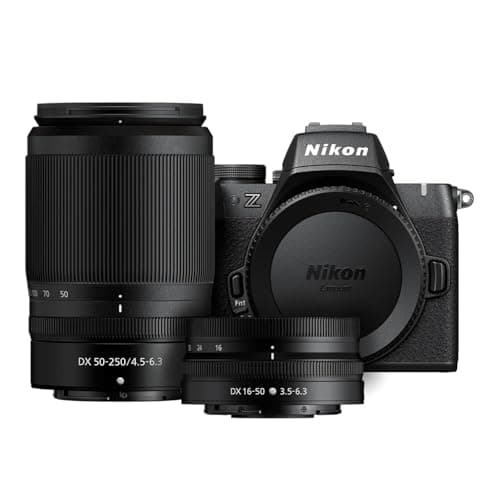
Why We Chose This Product:

The second-generation Z50 offers critical autofocus improvements, making it exceptionally reliable at locking onto fast-moving subjects. Its ability to chew through high-speed RAW bursts means you will rarely miss the crucial moment of action.

Who Is It For:

Enthusiast photographers looking for a responsive camera capable of tracking erratic movement. Excellent for outdoor field use where solid grip and fast performance matter most.

Upgraded autofocus with excellent bird eye detection

Handles high-speed RAW bursts without buffering lag

Requires purchasing a separate telephoto for maximum reach

Tech specs:

Sensor Type
APS-C CMOS
Megapixels
20.9MP
Optical Zoom
Lens Dependent
Video
4K Ultra HD
Based on 400+ reviews

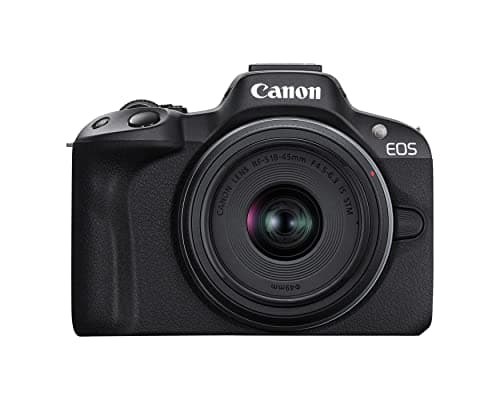
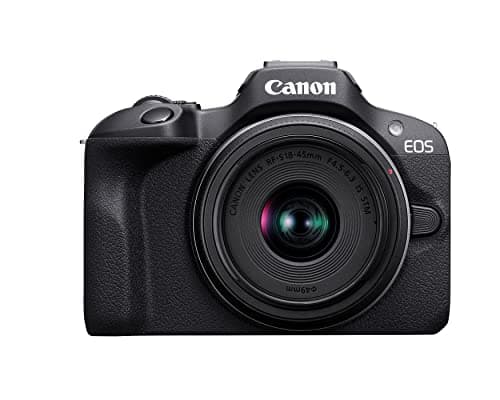
Why We Chose This Product:

The R50 body is an absolute powerhouse for its price class, equipped with tracking technology that rivals much more expensive gear. While this kit lacks a telephoto lens, it establishes the perfect high-performance foundation for a future RF lens investment.

Who Is It For:

Beginners seeking a modern, highly capable mirrorless body to learn on before upgrading to longer focal lengths. Ideal for users starting with closer nature subjects or zoo photography.

Phenomenal autofocus tracking borrowed from pro models

Outstanding 24.2MP sensor performance and dynamic range

Kit lens is too short for true distant wildlife

Tech specs:

Sensor Type
APS-C CMOS
Megapixels
24.2MP
Optical Zoom
Lens Dependent
Video
4K Ultra HD
Based on 600+ reviews

Why We Chose This Product:

It strips away premium quality-of-life features to offer a large APS-C sensor and access to Canon's modern mirrorless mount at rock-bottom pricing. It is a highly capable imaging tool for those willing to work without touchscreens or advanced AI tracking.

Who Is It For:

Budget-conscious beginners wanting interchangeable mirrorless lenses over fixed-lens bridge cameras. Perfect for those who primarily shoot static subjects in good lighting.

Very accessible entry point into the Canon RF ecosystem

Reliable Dual Pixel autofocus for sharp images

Lacks the animal eye detection found in the R50

Tech specs:

Sensor Type
APS-C CMOS
Megapixels
24.1MP
Optical Zoom
Lens Dependent
Video
4K Ultra HD
Based on 3.5K+ reviews

Why We Chose This Product:

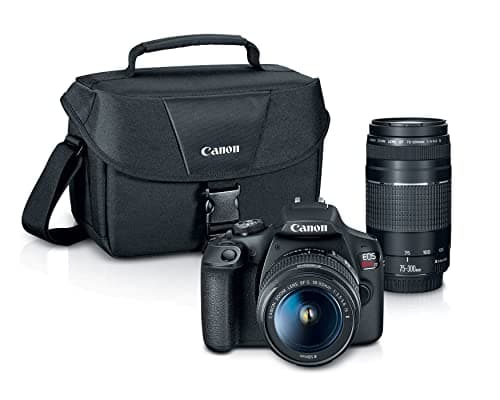
This double-zoom kit represents a comprehensive, all-in-one package that allows newcomers to shoot wide landscapes and distant animals on day one. It remains a proven, highly functional entry point for learning the ropes of focal lengths and exposure.

Who Is It For:

Traditionalists who prefer the optical viewfinder and feel of a classic DSLR body. Suitable for beginners practicing on slow or static subjects in bright outdoor lighting.

Provides everything needed for wildlife out of the box

Classic, robust DSLR ergonomics and optical viewfinder

Included 75-300mm lens lacks optical image stabilization

Tech specs:

Sensor Type
APS-C CMOS
Megapixels
24.1MP
Optical Zoom
Lens Dependent
Video
Full HD 1080p
Based on 1.5K+ reviews

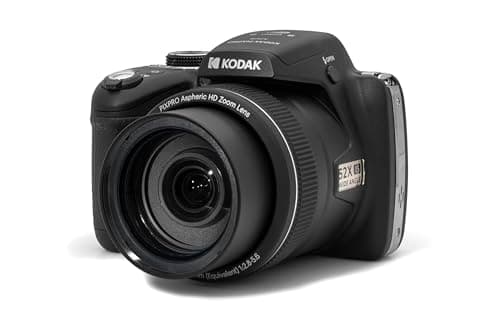
Why We Chose This Product:

Delivering a 52x optical zoom at this price point is a major accomplishment, granting casual users the ability to photograph subjects that are completely inaccessible to smartphones. The required optical stabilization ensures that the massive zoom remains functional handheld.

Who Is It For:

Casual wildlife watchers and travelers who want significant magnification without managing multiple expensive lenses. Great for daytime outdoor use and casual safaris.

Massive 24-1248mm equivalent optical zoom range

Built-in optical image stabilization for steady shots

Small 16MP sensor performs poorly in dim light

Tech specs:

Sensor Type
1/2.3-inch
Megapixels
16.0MP
Optical Zoom
52x Built-in
Video
Full HD 1080p

Essential Tips For Choosing The Right camera for wildlife photography

Understanding Telephoto Reach

When photographing wildlife, you rarely can get as close as you want. A telephoto lens reaching at least 300mm (equivalent) is generally considered the starting point for capturing birds and distant animals. Bridge cameras offer massive built-in zoom ranges, while interchangeable mirrorless and DSLR bodies allow you to buy specialized telephoto lenses later.

The Importance of Autofocus and Tracking

Fast-moving subjects like flying birds require a highly capable autofocus system. Modern mirrorless cameras often feature advanced subject-detection algorithms that can specifically lock onto an animal's eye. If you plan to shoot action, prioritizing a camera body with strong AF tracking will dramatically improve your hit rate.

Best camera for wildlife photography

Sensor Size vs. Optical Reach

There is a distinct trade-off between the size of the camera sensor and the cost of zoom. Bridge cameras with small 1/2.3-inch sensors offer massive optical reach in a lightweight, affordable package, but suffer in low light. APS-C cameras provide vastly superior image quality, dynamic range, and low-light performance, but require heavier, more expensive lenses to achieve the same reach.

Why Image Stabilization is Crucial

Shooting at extreme telephoto lengths amplifies every micro-movement of your hands, leading to blurry photos. Optical Image Stabilization (OIS) in the lens or In-Body Image Stabilization (IBIS) is critical for handholding your camera. Always look for stabilization if you don't plan to use a tripod.

Setting Realistic Budget Expectations

Entry-level budgets often mean choosing between a fixed-lens bridge camera or a basic DSLR/mirrorless body with a starter telephoto lens. Bridge cameras offer immediate reach, while interchangeable lens systems provide a path for future upgrades. Choose your system based on whether you want a standalone device or plan to invest in better glass over time.

FAQs

More products you might love